
Arborist Consultancy Services
Leinster Consultant Arborists (L.C.A.) provides independent, evidence-based arboricultural assessments to support informed decision-making around tree safety, risk, and long-term management. Our consultants combine scientific analysis, advanced diagnostic tools, and deep practical experience to assess trees in complex environments — from private property to public and commercial sites. whether supporting responsible tree management, resolving disputes, or providing defensible advice for planning and legal processes, L.C.A. delivers clear, objective assessments you can rely on.
What We Offer
Tree Risk Assessment
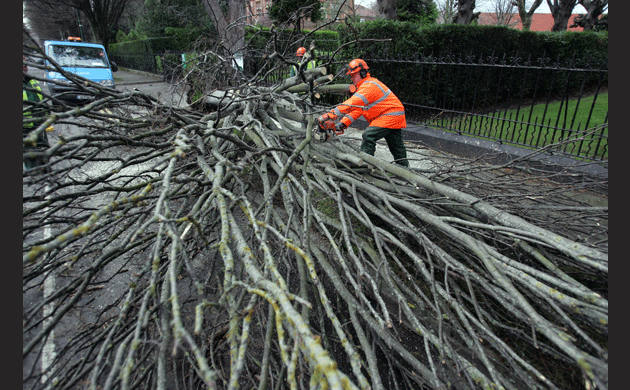
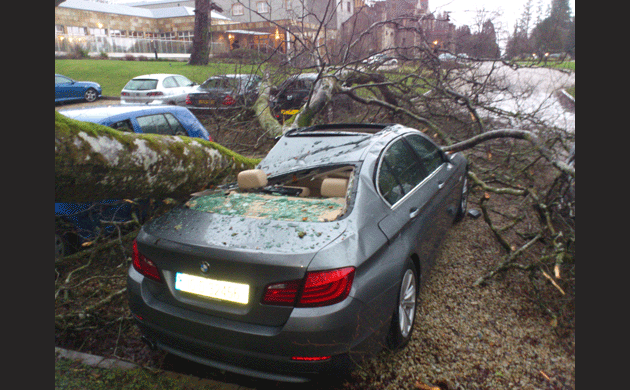
L.C.A. can carry out Standard ISA Tree Risk Assessments. We can accurately and scientifically quantify the risk posed by any tree to people and property. Once recorded and publicised this record can have very effective legal implications.
The risk posed by any tree is calculated as follows
Risk to People = Probability x Density of Property and Rate of Human
And Property of Failure Traffic within Range of the Tree
Tree Structural Assessment
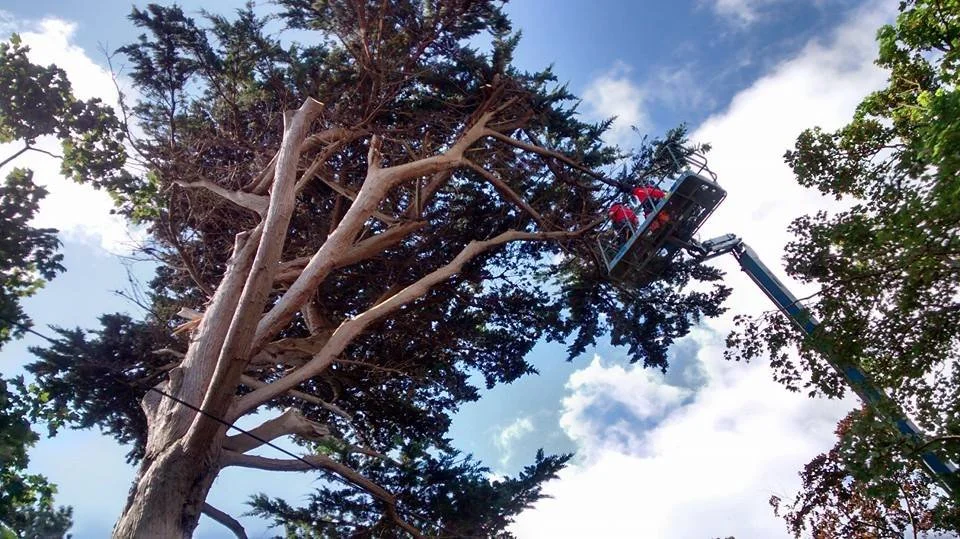
We carry out detailed tree assessments for safety, risk management, and long-term care, with each inspection tailored to the specific tree and the client’s objectives. Where required, aerial inspections are undertaken and a range of decay detection methods are used to accurately assess internal condition.
Our assessments are supported by the use of minimally invasive and non-invasive sonic equipment which measures wood density to identify internal defects such as cracks, cavities, voids, and decay within the stem and root system. The results provide a clear picture of the tree’s structural integrity.
Tree Health
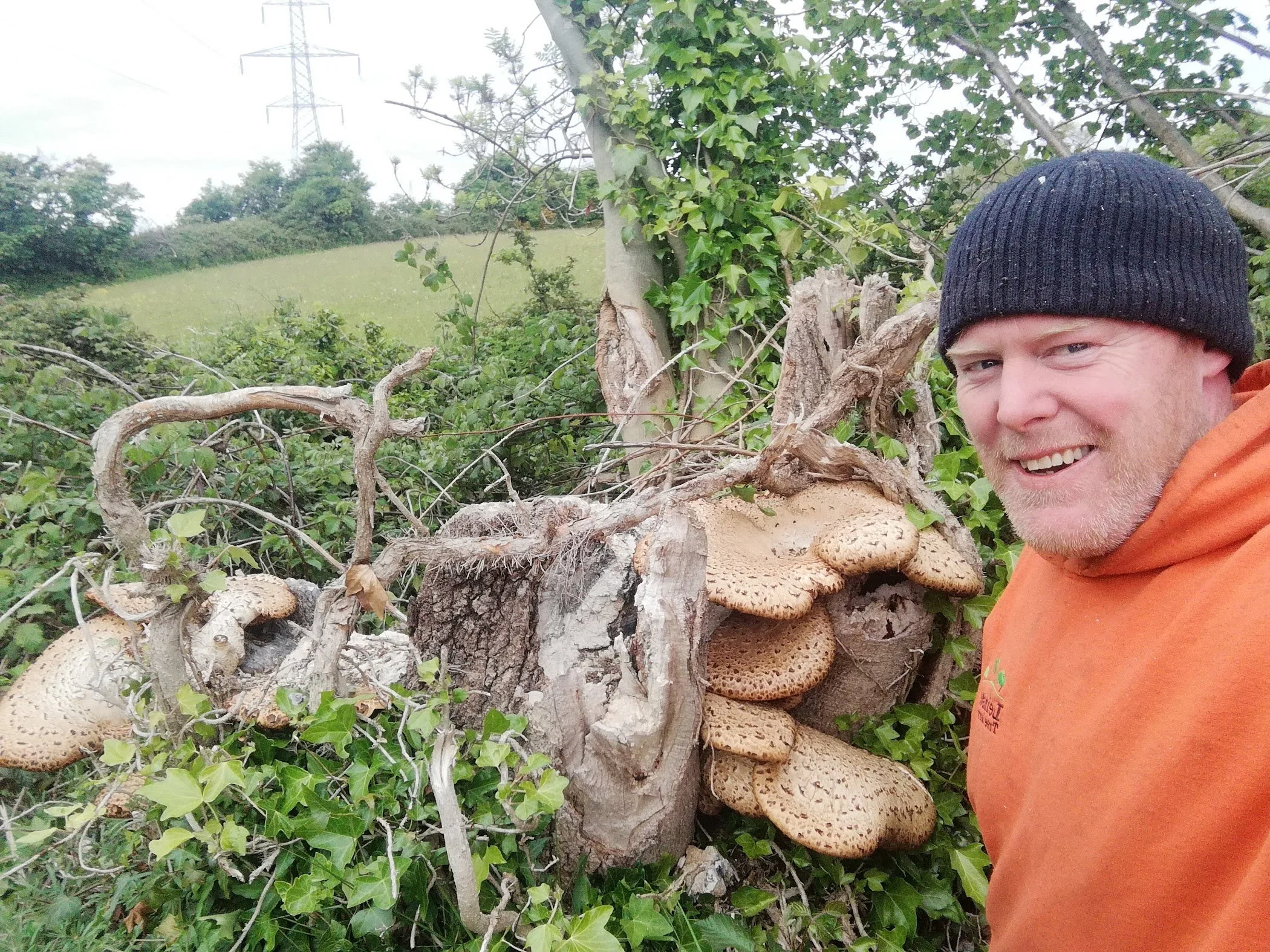
Our consultants’ in depth knowledge of decay fungi, tree pests and diseases, mechanics, and agronomy are drawn upon to assess the safety, stability and viability of any tree. This could be a tree on a client’s property or on an abutting property which is causing concern.
Expert Witness & Legal Advice
The team at L.C.A. are often called upon to produce reports and give expert witness testimony during litigation or planning reviews. We can provide accurate reports on trees that have been damaged by the action of abutters by accident or in visibility/ boundary disputes. Our consultants can advise on Tree Protection Orders and the Legal Protection conferred upon trees as a Requirement of Planning.
Tree Valuation Reports
We prepare tree valuation reports using recognised industry methodologies, including the Visual Amenity Valuation of Trees and Woodlands (Helliwell) system and the Council for Tree & Landscape Appraisers (CTLA) approach. These assessments provide an objective valuation based on factors such as visual contribution, condition, size, location, and overall importance, supporting planning, insurance, legal, or compensation purposes.
Tree Selection
and Planting Guide
Tree selection and planting is a technical process and if not done correctly will simply result in a weak unhealthy tree which will grow very slowly or even die.
Call us now on 01 272 1606 for a free consultation about tree selection and planting.
Useful Guidelines
Firstly the right tree species must be selected to suit the environmental conditions. These conditions may be extreme like very wet ground or salt spray from the sea meaning not all tree species will do well. The knowledge of a trained arborist will help you to choose the right species for the right location and purpose.
Once the species is chosen, good strong specimens must be selected. This means young trees that are vigorous and have good branch architecture.
Finally the trees must be planted, staked, watered-in and mulched correctly.
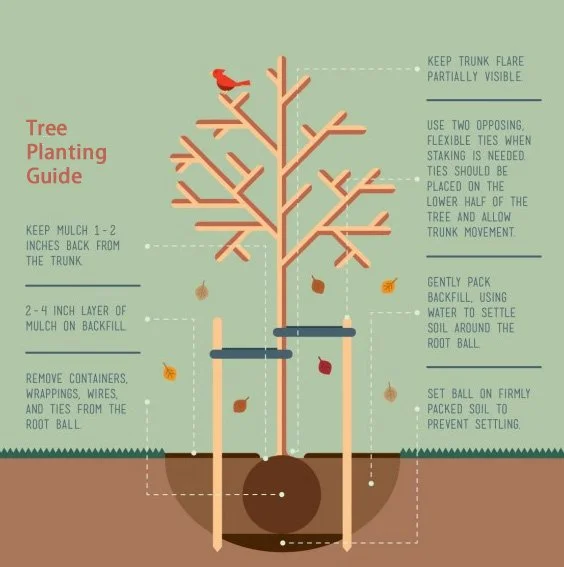
When planting the stake must be placed in the ground first.
Next the level of the flare-root must be located in the root-ball and excess soil removed from the base of the stem above the flare-root. This is the most crucial part of planting because it decides the elevation at which the tree will be planted.
The tree should be planted in a pit with the flare root located a few inches above ground level in a conical mound. Remember the old saying “Plant them too high never die, plant them too low never grow”
The trees root ball is them firmed into the mound using good quality topsoil which is watered into the pit.
The tree is then strapped to the stake and at least three inches of mulch is applied to the area.
“I had a once-off build in a leafy suburb of Dublin. My architect told me that the local authority would cause delays over the trees, and recommended L.C.A. was brought in at the outset. They were amazing. They advised the architect on how to avoid and retain existing trees. They prescribed how to protect trees during construction. They produced a plan to replant trees post construction to mitigate tree loss. They ticked every box. We gained planning approval on a difficult site first time. I would recommend L.C.A to anyone. There are no other firms with their skill set..”
– D. Mac Donnagh, Rathmichael Co. Dublin
Request a Call Back
Simply fill in your details and we will make sure one of our experts will contact you promptly for a completely free no obligation consultation regarding your project and how LCA can help you achieve your goals.